Articles from the Sanctuary
What we have learned growing food, building soil, and living well on our homestead in Central New York, shared as plainly as we can.
Browse by topic
Why I use and Love Wood Chips
Why I love wood chips as mulch, what nutrients they add as they break down, and how they help a food forest.
Building Soil: Our Journey to Creating Productive Gardens and Food Forests
Skeptics say you cannot build soil, so we share how we have built rich, fertile soil for our three food forests and our gardens.
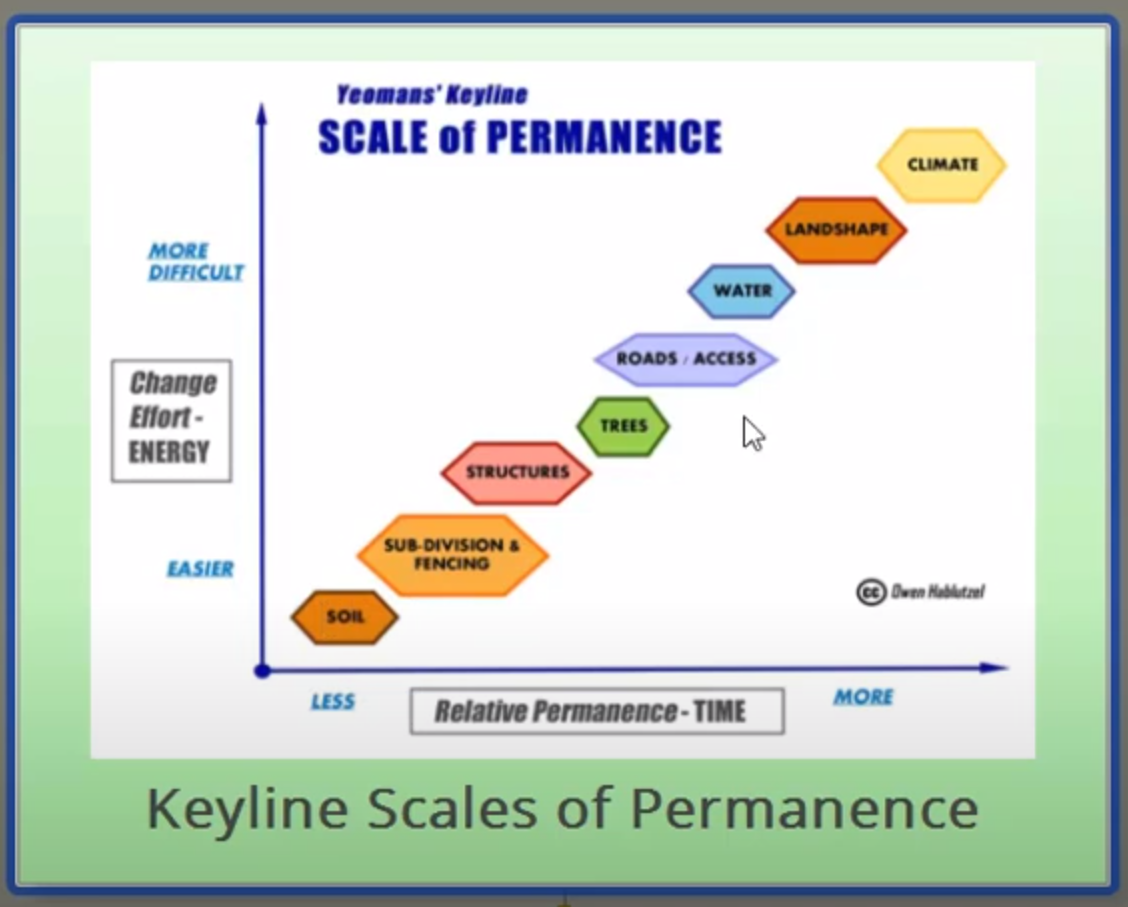
Keyline Design and Object Permanence
Keyline design is a holistic land management system that addresses the relationships between soil, water, plants, and animals. P.A. Yeomans introduced this concept in his 1954 book, "Water for Every Farm," outlining a method that would optimize the use of water resources in agriculture.
One of the key principles within Yeomans' Keyline design is the concept of "object permanence." Derived from child psychology, the term "object permanence" refers to a child's ability to understand that objects continue to exist even when they are out of sight. In the context of Keyline design, this principle implies creating lasting and sustainable changes to the landscape.

The Art and Science of Thermophilic Composting
A Great way to effectively turn waste into garden gold while killing pathogens and inactivating weed seeds.

Utilizing Compost Heat for Building Heating in Cold Temperate Climates
Capturing the heat energy from a compost pile challenges in a cold temperate climate.

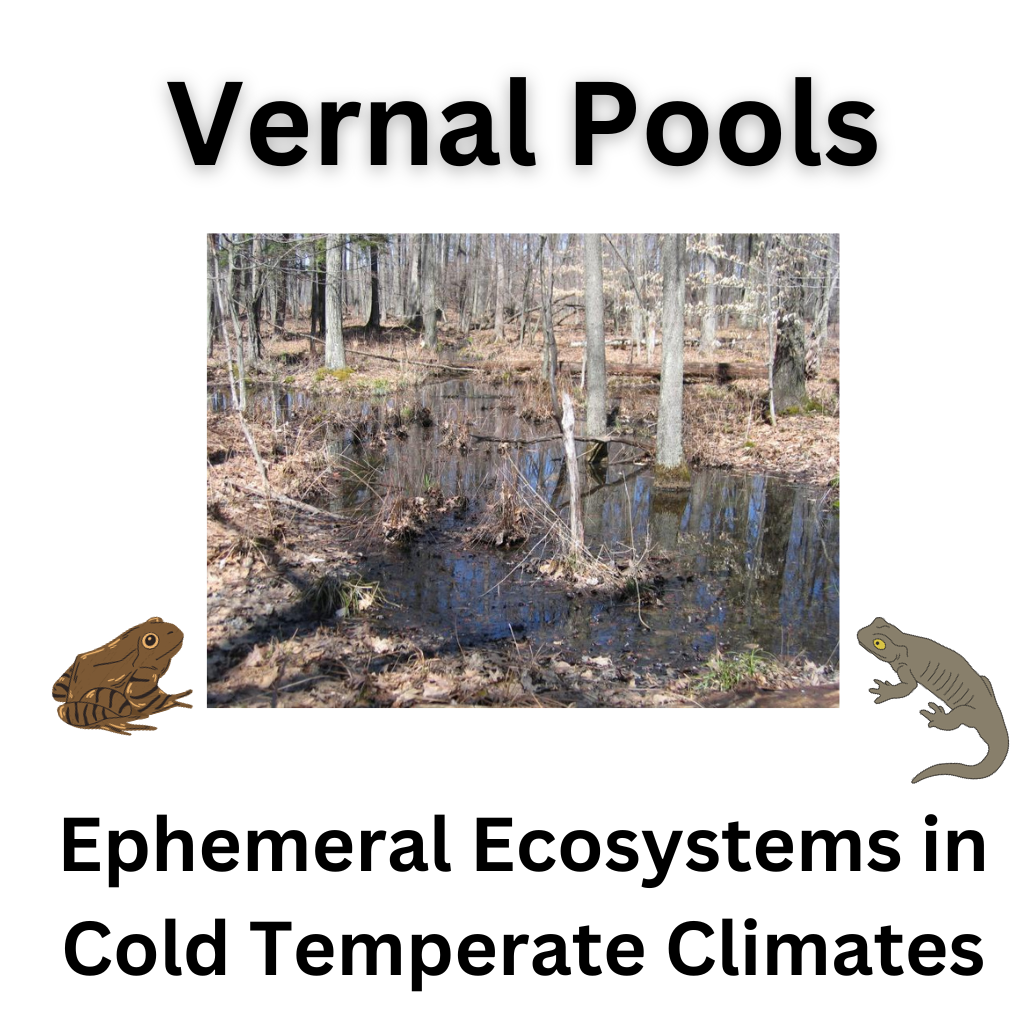
Vernal Pools
Vernal pools, those transient water bodies that come to life with the arrival of spring, stand as hidden gems within the diverse tapestry of ecosystems. Their ephemeral nature, filling up during specific seasons only to dry up as summer unfolds, adds a layer of intrigue to these unique habitats. Let's delve into the world of vernal pools, exploring their definition, functions in cold temperate climates, the array of species they harbor, and the critical components that make them essential to preserve.

Composting: A Sustainable Way to Improve Soil Quality
Composting is a natural process of decomposing organic matter into a nutrient-rich soil amendment. The benefits of composting include reducing waste, improving soil health, and promoting plant growth. There are various composting methods, each with its advantages and disadvantages. In this article, we will explore the different types of composting systems and their respective benefits and limitations.

Water Harvesting
Water is a precious resource that is essential for life. However, many regions around the world are facing water scarcity due to population growth, climate change, and inefficient water use. By using water harvesting techniques, we can reduce our dependence on municipal water supplies and contribute to water conservation efforts.
In addition to reducing water consumption and conserving water resources, water harvesting can also help to mitigate the impacts of climate change. As temperatures rise and weather patterns become more unpredictable, we are likely to see more frequent droughts and water shortages. Water harvesting can help to build resilience to these impacts by providing a reliable source of water for households, gardens, and communities.

Ways to Build Soil
Permaculture is a holistic approach to agriculture and land management that seeks to mimic natural ecosystems found in nature. A key component of permaculture is the building and maintenance of healthy soils, which are the foundation for healthy plants and a thriving ecosystem. In this article, we will explore some of the ways in which permaculturists build soil.

Permaculture Ethics: A Foundation for Sustainable Living
Permaculture is based on a set of three core ethics that provide a foundation for sustainable living. These ethics are care for the earth, care for people, and fair share. They provide a framework for designing systems that work in harmony with nature, support human well-being, and ensure that resources are shared fairly.

Good Design
Good design is more than just aesthetics. It is a deliberate and intentional process that considers various factors, such as functionality, sustainability, and user experience.