Articles from the Sanctuary
What we have learned growing food, building soil, and living well on our homestead in Central New York, shared as plainly as we can.
Browse by topic
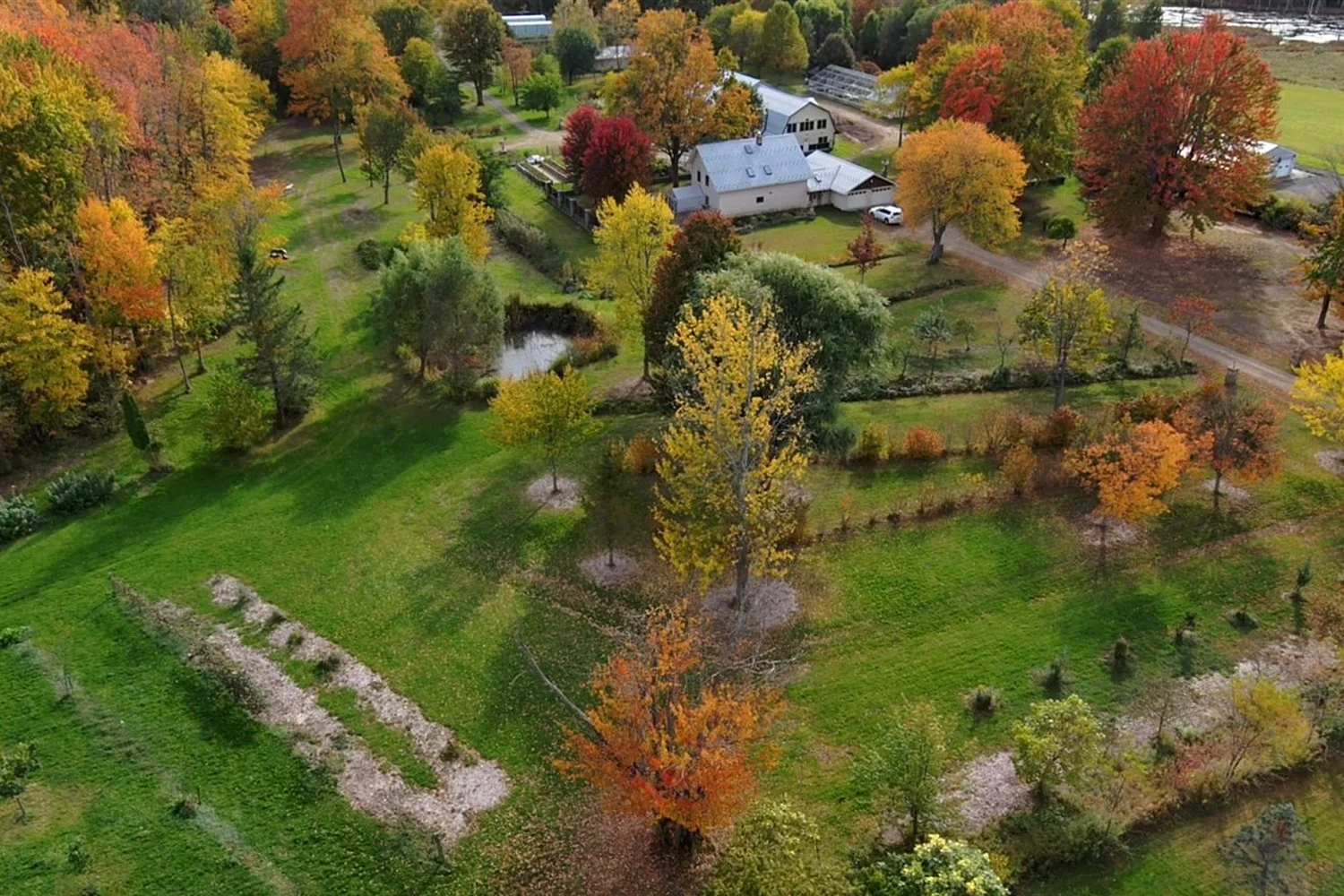
How We Build a Water System in a Gravel Area to Manage Water
How our chain of ponds, swales, and planted canals at Stoney Robby catches runoff, cleans it, and uses every drop of water more than once.
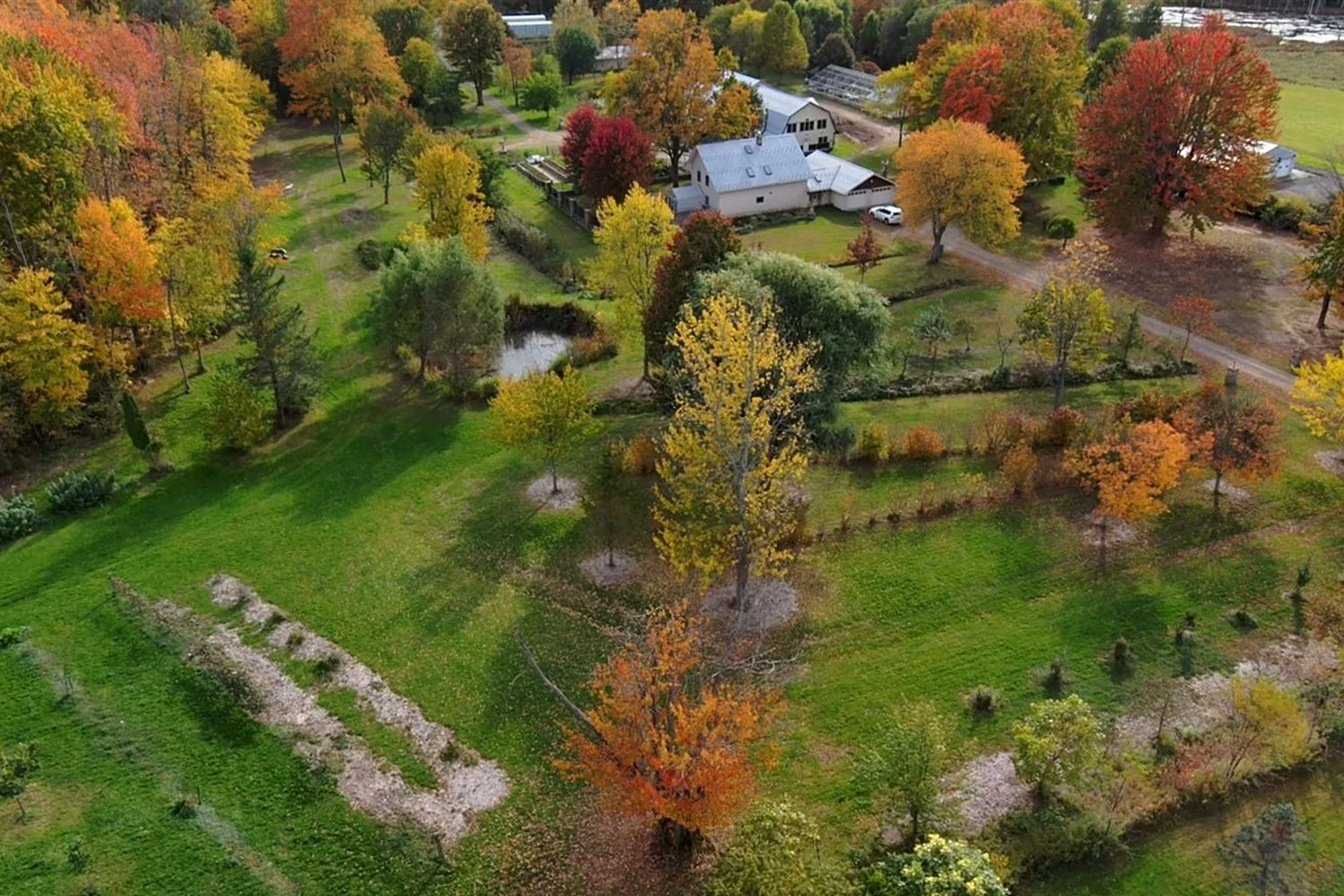
Bridging Perspectives: Farmscaping and Permaculture, Where They Meet and Where They Part
I compare farmscaping and permaculture, look at what the research says about habitat for helpful insects, and show how we blend both at Stoney Robby.
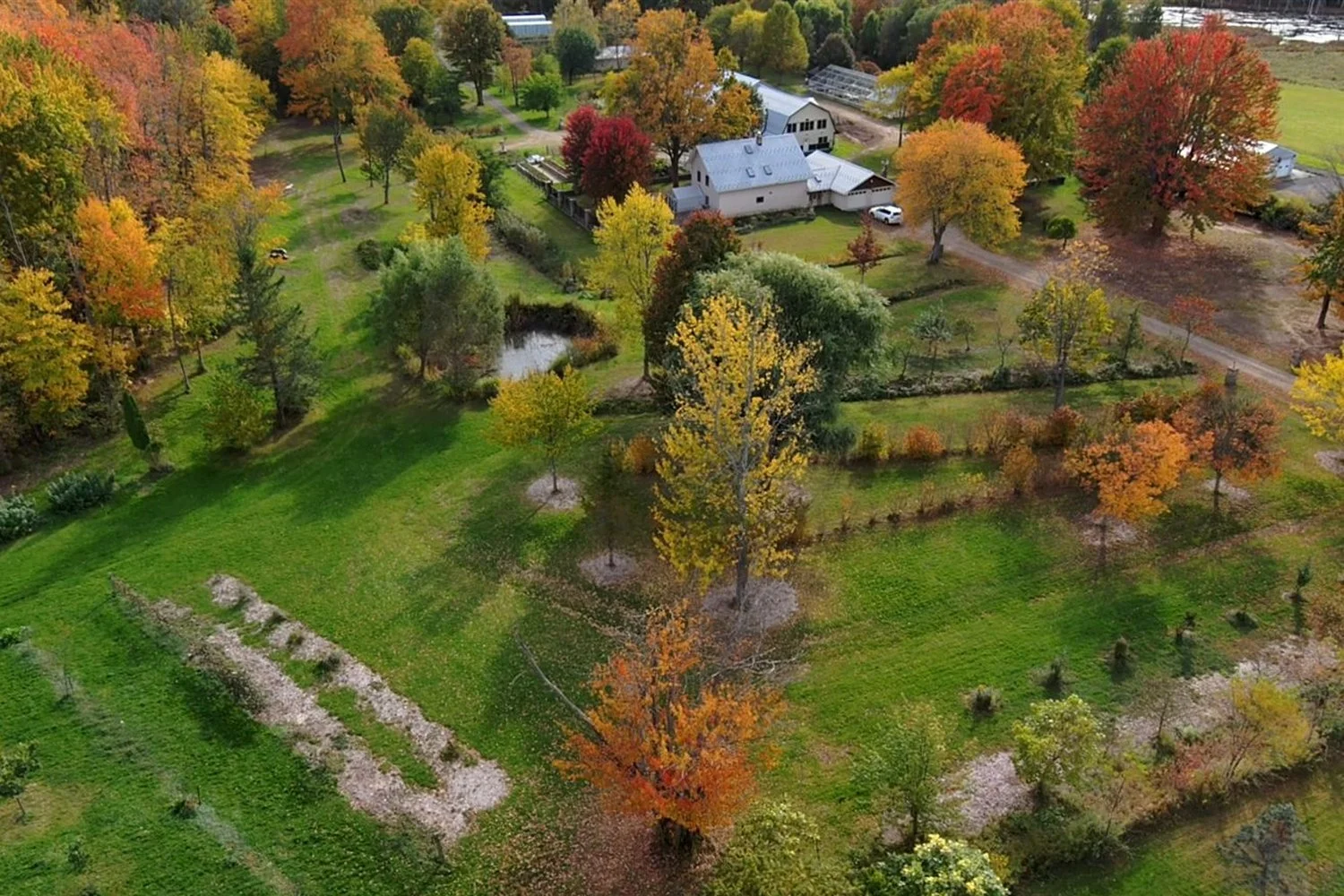
Introduction to Permaculture Food Forests: Seven Layers, Guilds, and Lessons from Three Food Forests
A fuller look at food forests, with the seven layers, guilds, and succession, plus what our three food forests have taught us over 25 to 30 years.
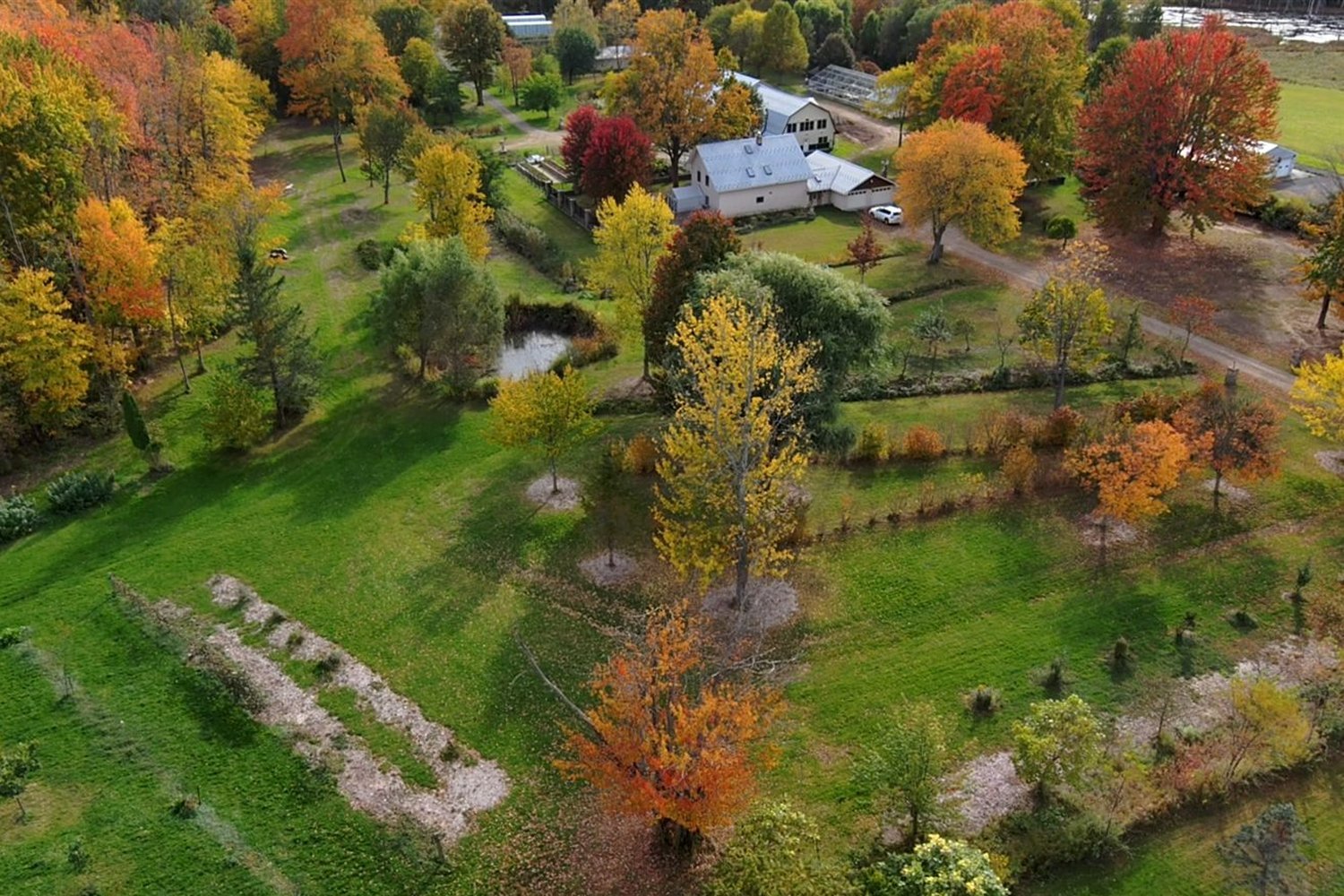
Permaculture Design Process: From Observation to a Living Design
How we go from years of watching the land to the first shovel of dirt, using real permaculture design frameworks, and why the work is never finished.
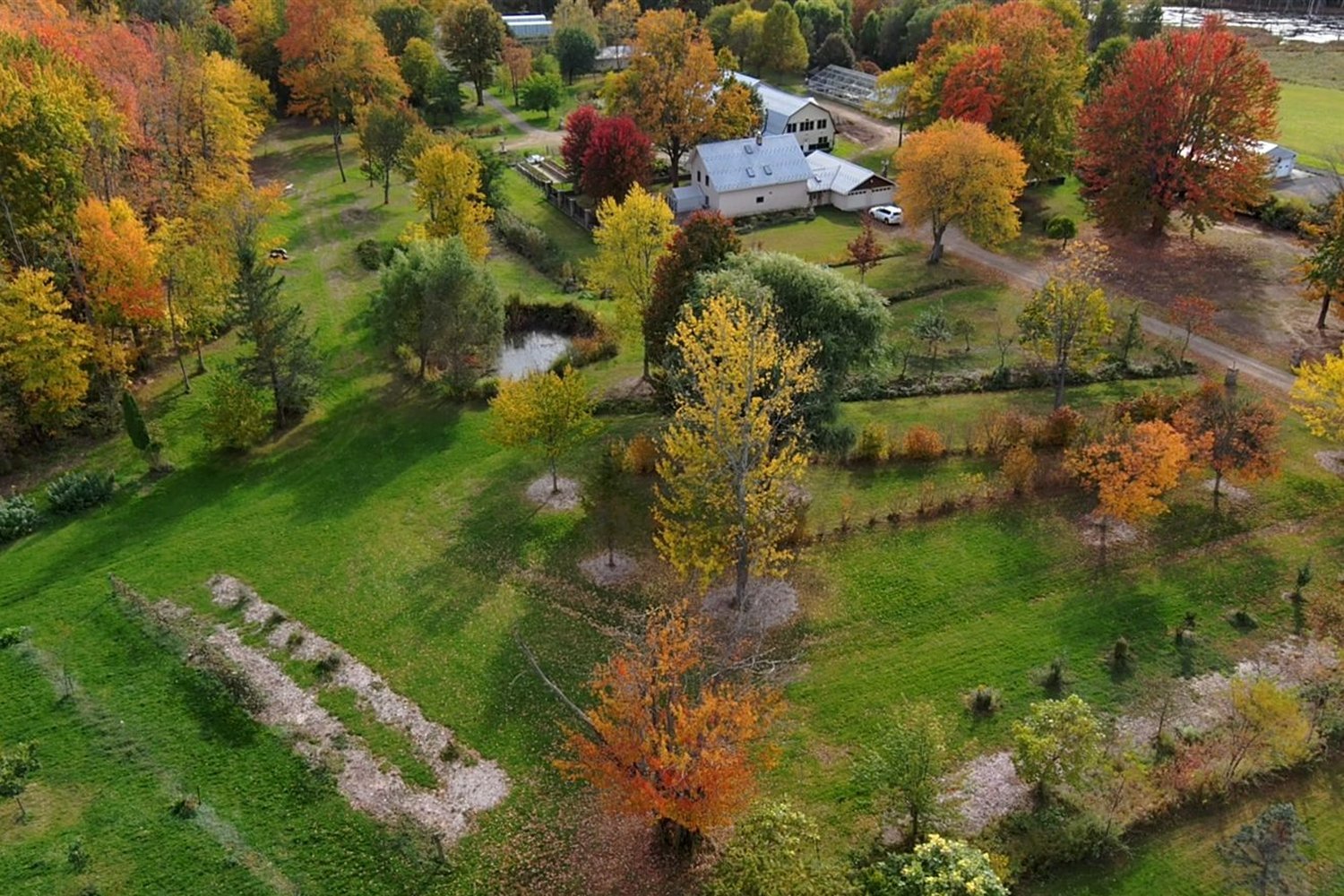
Permaculture Zones and Sectors: Putting Everything Where It Belongs
I explain permaculture zones and sectors, putting each part of the homestead where your feet already go, with examples from decades of moving things around.
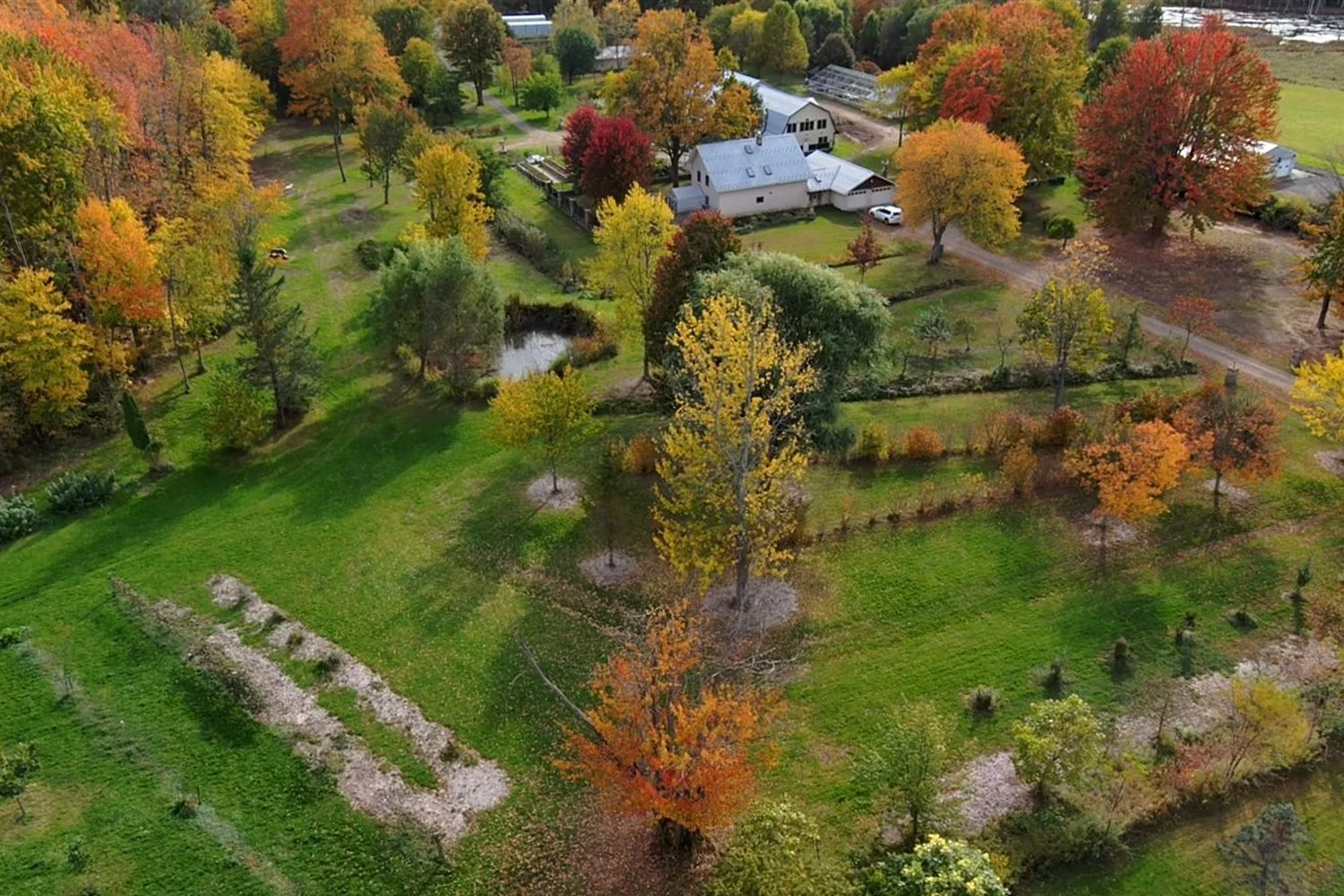
Permaculture Principles: Twelve Thinking Tools for Working With the Land
The twelve permaculture principles as thinking tools, not rules, with the proverb that goes with each one and how they play out on our homestead.
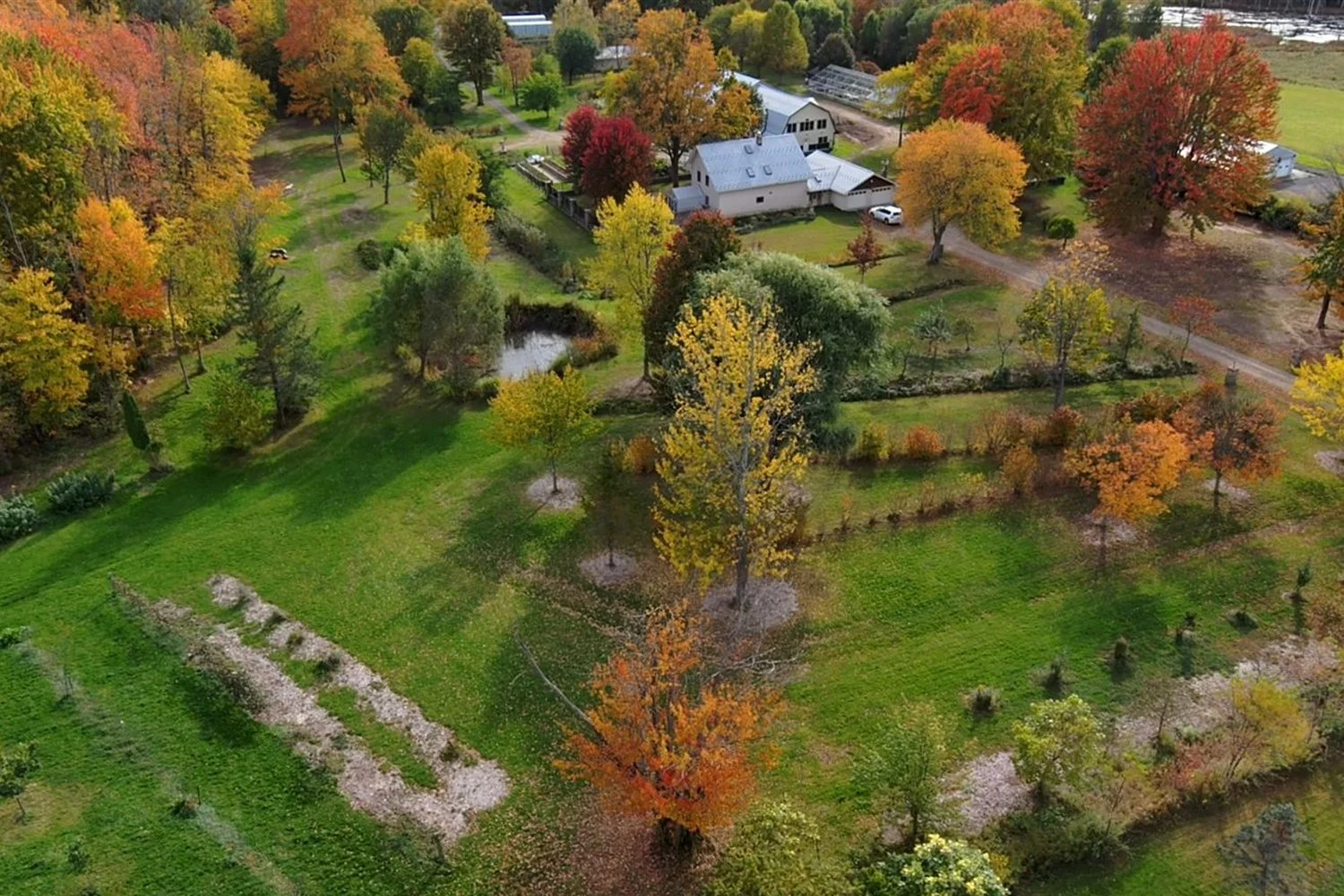
Introduction to Permaculture
I explain what permaculture is, where it came from, how I came to it by copying nature, and what the research actually shows.
Weeding and Gardening
After an old perennial bed got away from us, I share how to reclaim an overgrown bed and which weeding methods actually cut your future work.
Soil Succession: From Barren Soil to a Thriving Forest Ecosystem
I explain soil succession, the slow change from bare ground to forest soil, and why a vegetable bed, a lawn, and a food forest want different soil.
Transforming Degraded Properties in Cold Temperate Climates: A Guide to Soil Restoration
How we approach rebuilding thin sand, gravel, rocky, and clay ground in a cold climate, using what we have learned on our own stony land in Oswego County.
Hugelkultur: Transforming Organic Waste into Fertile Garden Beds
Instead of burning our brush piles, we bury the wood under soil, where it holds water like a sponge and feeds the ground for years.
Who's in the Garden and What Are They Up To?
Earthworms, beetles, toads, birds, and voles all work our beds, and knowing who is out there changes what you reach for when you see damage.
Johnson-Su Bioreactor: Fungal Compost Without the Turning
The Johnson-Su bioreactor is a low-work way to make fungal compost without turning the pile, and I explain how it works and what goes wrong.
Nature's Helpers: The Beneficial Insects and Animals We Welcome at Mindful Living Sanctuary
Instead of spraying, we make room for ladybugs, lacewings, birds, bats, and other creatures that already keep pests in check for free.
Reading the Land First
Lessons from Central New York and our new start in Tennessee on why keyline design and patient observation should come before any digging or building.
Honey Bees, Stewardship, and the Honey Hut
We think of ourselves as bee stewards, not beekeepers, and here I share our history with bees and our natural approach at the Honey Hut.
Hugelkultur Pits our Story
How I got interested in hugelkultur, what I tried, and why we now dig pits with the excavator, fill them with wood, and plant on top.
Soil Succession
How weedy, worn-out ground in central New York can become rich soil for a food forest, using no-till, diverse cover crops, and soil microbes.
The Water Systems of Our Property: Ponds, Swales, Canals, Sediment Collection, and Bioremediation
A tour of how our ponds, swales, canals, sediment collection, and natural cleaning systems work together to manage water and support wildlife on our property.
Living Fences: A Sustainable Solution for Homesteads
How living fences, hedgerows, and farmscaping can turn a bare property line into a windbreak and wildlife strip in our windy zone 5 setting.