Articles from the Sanctuary
What we have learned growing food, building soil, and living well on our homestead in Central New York, shared as plainly as we can.
Browse by topic
Ultra-Processed Foods: What They Are, and What to Eat Instead
Here I explain what ultra-processed foods really are, what the studies show and how sure they are, how to spot them, and what to eat instead.
Mitochondria, Part 5: Putting It All Together
This wrap-up pulls our mitochondria series into simple tables, adds what the food research shows, and ends with a plain action plan and claims to question.
Mitochondria, Part 4: The Research Frontier
I look at the real research frontier in mitochondrial medicine, from elamipretide to mitochondrial donation, and why it is early, narrow, and not for healthy people.
Mitochondria, Part 3: Supplements and Tools for Mitochondria
I go trial by trial through popular mitochondria supplements, like creatine, CoQ10, NAD boosters, and urolithin A, and explain why none yet matches what exercise does.
Mitochondria, Part 2: What Damages Mitochondria, and What Actually Helps
Using human studies, not mouse studies, I look at what damages mitochondria, like insulin resistance, inactivity, and short sleep, and what actually helps.
Mitochondria, Part 1: The Cell Inside the Cell
I start our mitochondria series with what these tiny cell parts are, where they came from, what jobs they do, and what changes with age.
Red Light Therapy: What the Science Says, and How We Use It
Thea and I use a red light panel through our long winters, and here I sort the uses with real clinical evidence from claims that are still early or mixed.
Phytonutrients by Plant Family: What Changes When the Bed Changes
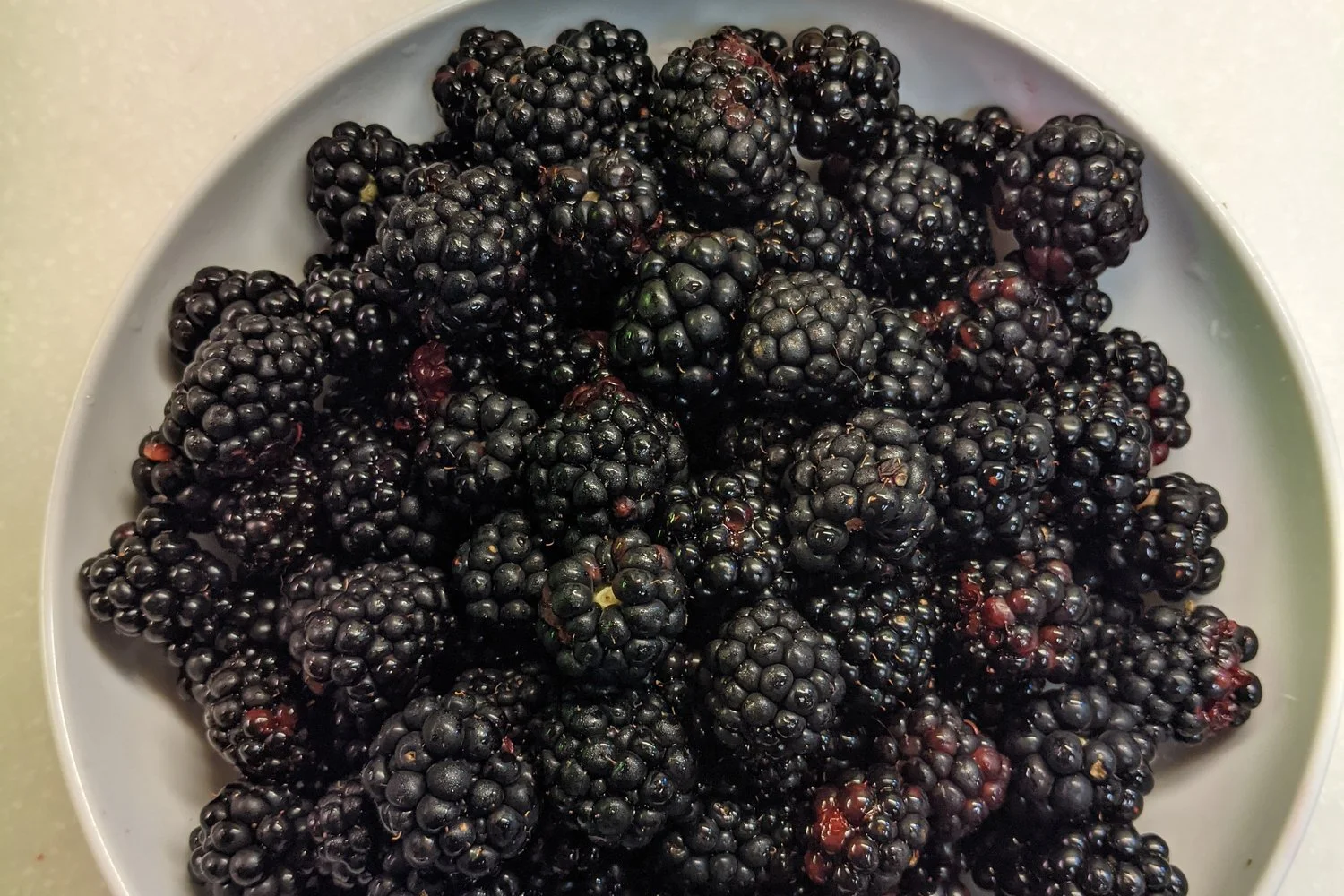
I revisit my 2018 nutrient density video and explain how plant families share similar plant compounds, and why variety and amount are two different things.
Microbiomes Beyond the Gut: Skin, Mouth, and the Soil Under Our Boots
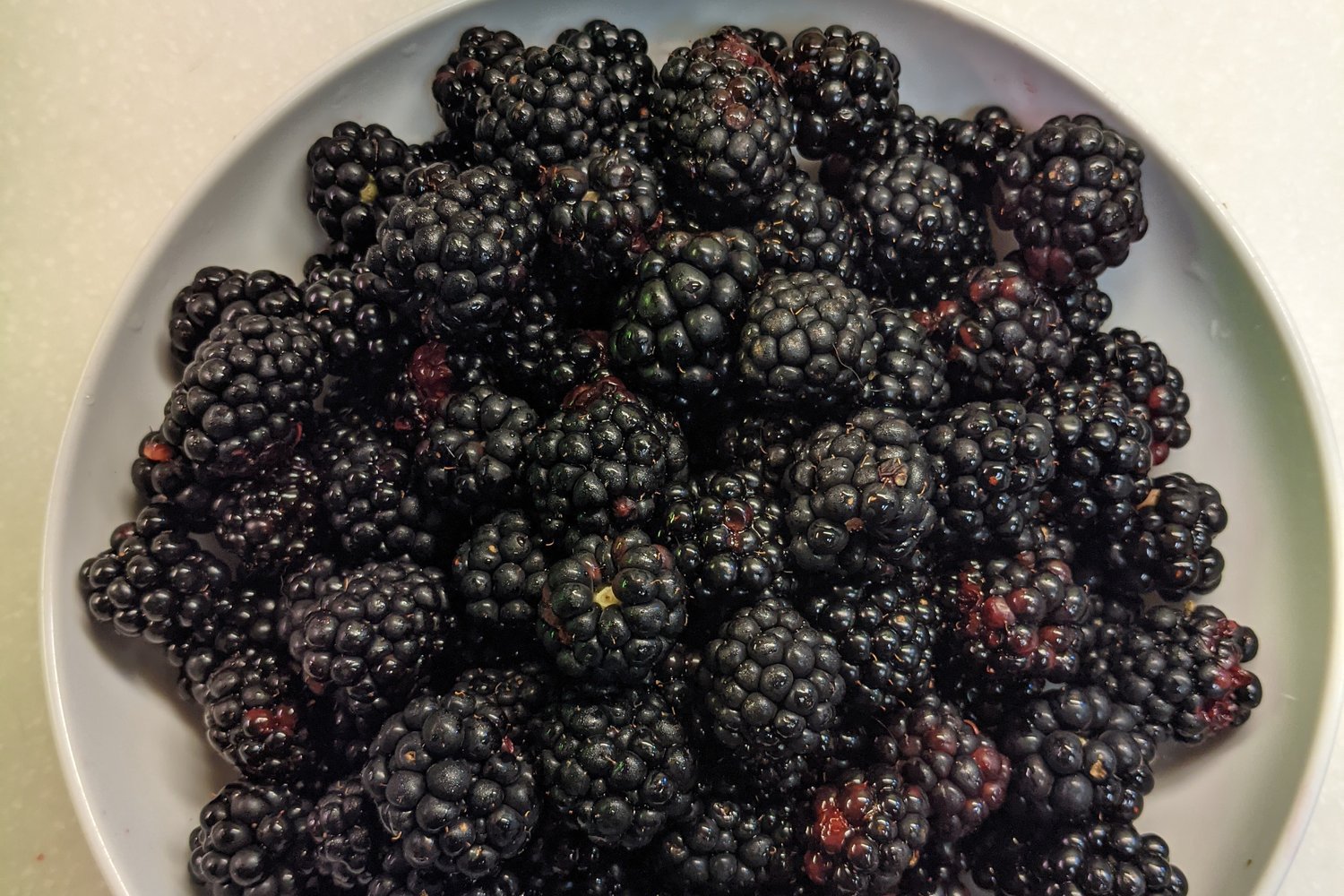
Beyond the gut, I look at the microbes on our skin, in our mouths, and in garden soil, and what a person can actually do this week.
The Gut Microbiome: We Are Ecosystems, Not Individuals
We each carry trillions of gut microbes, and I explain what they do for us, what feeds them, and what harms them, based on the research.
Supplements and Nutraceuticals: What’s Really in the Bottle?
No one checks most supplements before they go on sale, so I explain how they are regulated, what testing has found, and what the quality seals mean.
Glutathione: The Body’s Master Antioxidant
I explain what glutathione does in every cell, why swallowing it is not the simple answer, and the food and lifestyle routes that help cells make more.
Telomeres: What the Latest Science Says About Aging at the Ends of Our Chromosomes
I look at what telomeres are, why they shorten with age, which everyday habits are linked to slower shortening, and why home telomere tests add little.
The Nine Pillars of Health: Building a Long Life Worth Living
The research on healthy aging keeps pointing to everyday habits, not pills, so I lay out the nine pillars I now use, from nutrition to connection.
Beyond the Anecdotes: Old Drugs, New Questions in Cancer
I look at what the evidence really says about old drugs like mebendazole and hydroxychloroquine in cancer, and none of them is proven to treat cancer in people.
Dietary Prevention of Glaucoma:
I look at whether leafy greens and nicotinamide can lower glaucoma risk, what the stronger studies show, and why diet does not replace pressure-lowering treatment.
Microgreens, Broccoli Sprouts, and Sulforaphane
What the research says, and how to get it without a sprout jar
What Your Gut Microbes Actually Need
A closer look at the gut microbes that eat the plant parts we cannot digest, what the better studies show, and what we do in our kitchen.
Are Carbohydrates Essential?
A viewer asked if carbohydrates are essential, and I explain why fiber-rich carbs from whole plants matter for our gut microbes and immune system.
The Overlooked Lifeline: Why You Should Maintain Complete Personal Medical Records
Keeping complete, up-to-date medical records for yourself and your family is an often overlooked part of being ready for an emergency.